Crackdown on Youth Activists Raises Alarm Over Madagascar’s Political Future
News Mania Desk/ Piyal Chatterjee/20th April 2026

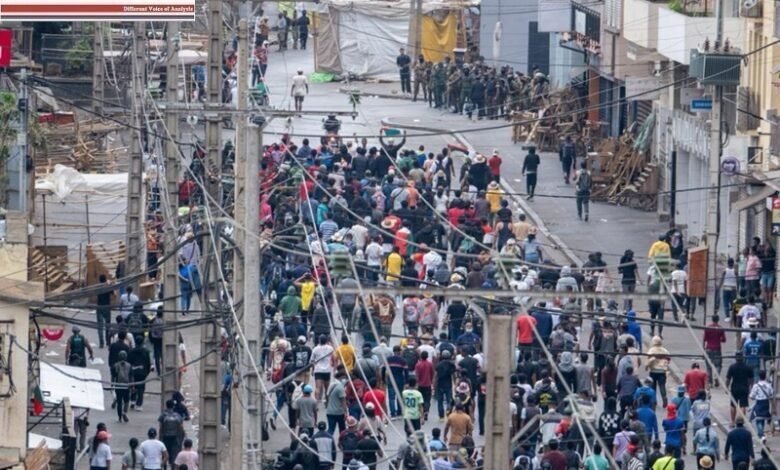
A wave of arrests targeting youth activists in Madagascar has sparked fresh concerns about the direction of the country’s political transition, with many fearing that the new leadership is adopting tactics reminiscent of the regime it replaced.
The developments come months after a dramatic shift in power in October 2025, when mass protests—largely driven by Generation Z—culminated in the ousting of former president Andry Rajoelina. The uprising paved the way for a military-backed administration under Michael Randrianirina, raising hopes among young citizens for democratic reform, transparency, and better governance.
However, those expectations are increasingly being questioned. Several prominent figures associated with the Gen Z protest movement have been detained after taking part in demonstrations calling for a clear electoral roadmap. Authorities have charged them with serious offences, including conspiracy and threats to state security—claims that their lawyers and supporters argue are unfounded and politically motivated.
Civil society organisations and human rights observers have expressed alarm over the arrests, warning that such measures risk undermining fundamental freedoms, including the right to protest and freedom of expression. Critics say the actions bear striking similarities to methods used by previous administrations to suppress dissent, raising doubts about whether meaningful political change is underway.
Adding to the growing unease is the perception that the new leadership has made limited progress on key issues that initially drove the protests. Many young activists argue that longstanding challenges—such as corruption, weak public services, and economic hardship—remain largely unaddressed. Basic necessities, including reliable electricity and water supply, continue to be inconsistent, reinforcing frustrations among citizens.
Concerns have also emerged over the government’s reported ties with foreign powers, particularly Russia. Allegations of increased military cooperation and external support have led to fears about foreign influence and its implications for national sovereignty.
Madagascar, a nation of over 30 million people, has long grappled with political instability and economic struggles. Despite the optimism that accompanied the youth-led movement, recent developments suggest that the path to reform may be more complex than initially anticipated.
For many members of the Gen Z movement, the current situation represents a critical turning point. What began as a powerful push for change now faces the challenge of ensuring that the new leadership does not fall into the same patterns of repression and unfulfilled promises.
As tensions persist, the actions of the government in the coming months will be closely watched, both domestically and internationally. The outcome will likely determine whether Madagascar can move towards genuine democratic reform or remains caught in a cycle of political uncertainty.