Lok Sabha Expansion Bill Fails to Pass; Centre Withdraws Delimitation Proposals
News Mania Desk/ Piyal Chatterjee/18th April 2026

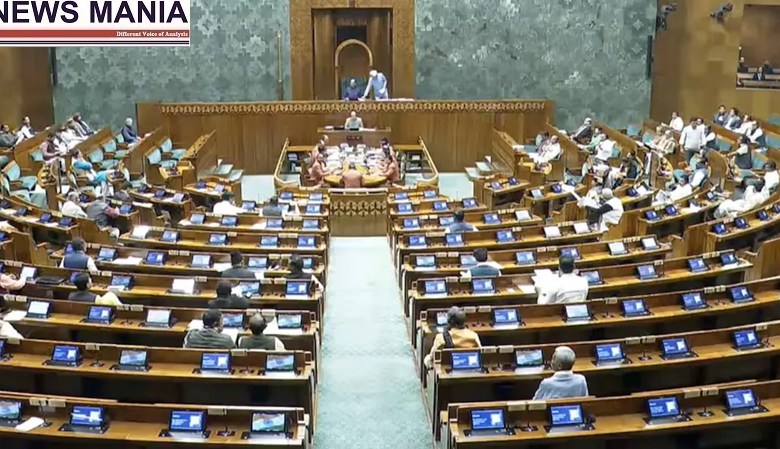
In a significant legislative setback, the Union government’s proposal to expand the strength of the Lok Sabha to 850 members failed to secure passage in Parliament, prompting the withdrawal of associated delimitation bills. The proposed constitutional amendment, aimed at restructuring parliamentary representation, could not muster the required majority support, underscoring deep political divisions over the issue.
The Constitution (131st Amendment) Bill, 2026 sought to substantially increase the number of seats in the Lok Sabha from its current strength of 543 elected members to 850. As a constitutional amendment, the bill required a two-thirds majority of members present and voting. However, despite backing from the ruling alliance, the proposal fell short of the threshold, leading to its defeat in the House.
Following the bill’s failure, the Centre moved to withdraw the accompanying delimitation legislation, which was closely tied to the proposed expansion. These bills were intended to enable the redrawing of parliamentary constituencies based on updated population data through the Delimitation Commission of India.
The proposal had sparked intense debate across political lines. A key point of contention was the linkage between delimitation and the implementation of women’s reservation in Parliament. While the government argued that expanding the Lok Sabha would facilitate the rollout of 33% reservation for women, opposition parties expressed concern that tying the two issues together could delay or complicate the reservation process.
Another major concern stemmed from the potential impact of population-based delimitation on the federal balance of power. Several regional parties, particularly from southern states, warned that such an exercise could disproportionately benefit states with higher population growth, thereby reducing the relative representation of states that have successfully controlled population growth over the years.
Critics also argued that the proposed changes could alter the political equilibrium within the country, raising questions about fairness and equity in representation. The lack of broad consensus ultimately proved to be a decisive factor in the bill’s failure, highlighting the challenges of pushing through sweeping electoral reforms in a diverse and federal polity like India. With the amendment bill now shelved, the government is unlikely to proceed with any immediate changes to the composition of the Lok Sabha or the delimitation process. Any future attempt to revisit the issue would require fresh legislative efforts and wider political agreement.