Passport Not Conclusive Proof of Citizenship, Centre Clarifies Amid Debate
News Mania Desk/ Piyal Chatterjee/ 25th June 2026

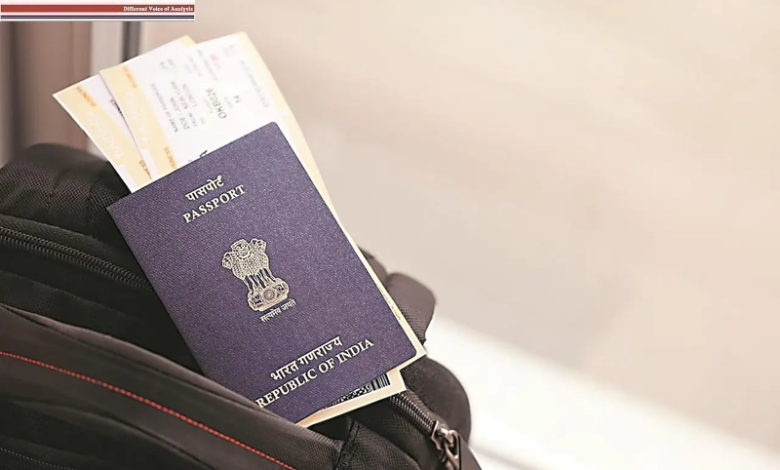
The Union government has clarified that an Indian passport, while an important identity and travel document, should not be treated as definitive proof of citizenship. The clarification was issued by the Ministry of External Affairs (MEA) during events held to mark Passport Seva Divas, triggering widespread discussion over the legal status of various government-issued documents.
According to MEA officials, the position is based on existing legal provisions and does not represent a change in policy. They explained that passports are issued under the Passports Act, 1967, primarily to facilitate international travel and establish the holder’s identity overseas. While applicants undergo verification before a passport is granted, the document itself is not considered conclusive evidence of citizenship under Indian law.
The ministry stressed that citizenship in India is governed by the Citizenship Act, 1955, which outlines the various ways in which a person can acquire Indian citizenship, including by birth, descent, registration, or naturalisation. Officials noted that citizenship status may sometimes need to be established through a combination of records and supporting documents rather than through a passport alone.
The clarification sparked reactions from opposition leaders and public figures, many of whom questioned the practical implications of the government’s stance. Critics argued that passports are widely regarded as among the most reliable government-issued documents and expressed concerns about confusion regarding proof of nationality. Some political leaders also raised questions about which documents citizens should rely upon if a passport is not deemed sufficient proof of citizenship.
Government representatives, however, maintained that the distinction between a travel document and legal proof of citizenship has long existed in law and administrative practice. They emphasized that a passport remains a highly important document and is generally issued only after verification procedures are completed.
The issue has gained prominence amid ongoing national discussions surrounding citizenship documentation and verification. Legal experts noted that while passports strongly indicate that the holder is an Indian citizen, courts and authorities may require additional evidence in specific cases involving disputes over citizenship status. The Centre reiterated that its clarification reflects a long-standing legal interpretation rather than a new policy initiative.