United States Extends Waiver for Russian Oil Shipments Already at Sea Amid Global Supply Pressures
News Mania Desk/ Piyal Chatterjee/18th April 2026

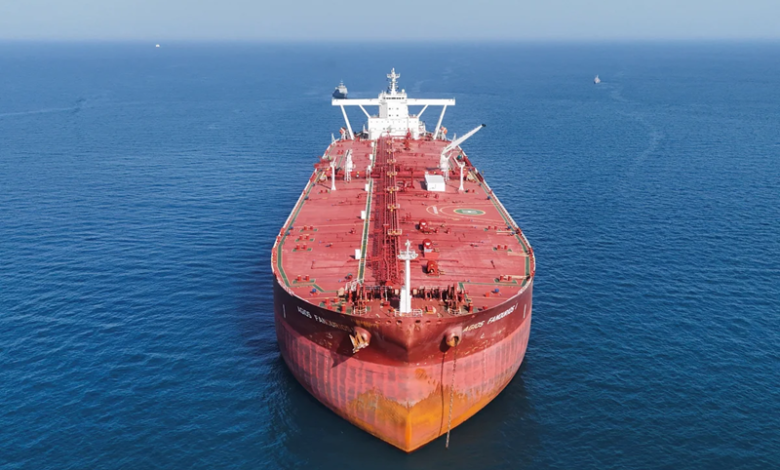
In a move reflecting mounting concerns over global energy stability, the United States has extended a temporary sanctions waiver permitting the delivery of Russian oil cargoes that are already in transit. The decision comes as policymakers grapple with supply disruptions and rising uncertainty in international oil markets.
The waiver, issued by the US Treasury Department, applies specifically to shipments of Russian crude and petroleum products that had been loaded onto vessels prior to the previous sanctions deadline. These cargoes will now be allowed to reach their destinations without attracting penalties, offering short-term relief to importing nations.
This development marks a shift from Washington’s earlier position, where officials had signalled that no further extensions would be granted. However, the rapidly evolving global energy landscape, shaped by geopolitical tensions and supply constraints, appears to have prompted a reassessment. The waiver is limited in scope and duration, indicating that it is intended as a temporary measure rather than a broader easing of sanctions on Russia.
The decision is closely tied to ongoing instability in key energy corridors, particularly around the Strait of Hormuz, where recent tensions have disrupted shipping flows. Such developments have heightened fears of supply shortages, prompting major economies to seek continuity in oil imports. By allowing already-shipped Russian cargoes to proceed, the United States aims to avoid sudden disruptions that could further destabilise markets.
Several countries, especially in Asia, have welcomed the move, as they remain heavily dependent on imported energy. The waiver provides them with a limited window to secure supplies and manage domestic fuel demands amid fluctuating prices. Analysts note that without such flexibility, global oil markets could face sharper volatility and potential price spikes.
Despite its practical benefits, the extension has drawn criticism from some quarters. Opponents argue that even a temporary relaxation could undermine efforts to economically isolate Russia over its ongoing geopolitical actions. They warn that allowing these transactions may inadvertently support Russian energy revenues, weakening the overall sanctions framework.
At the same time, the move highlights the complex balancing act faced by US policymakers. While maintaining pressure on Russia remains a strategic objective, ensuring energy security and price stability has become equally urgent. The waiver reflects an attempt to reconcile these competing priorities in a volatile global environment.
Experts suggest that similar stop-gap measures could be adopted in the near term if geopolitical tensions persist and continue to impact energy flows. The situation underscores how interconnected global politics and energy markets have become, with decisions in one arena quickly influencing outcomes in another.