Rethinking Indian sculptural heritage in the modern world
News Mania Desk / Piyal Chatterjee / 18th July 2025

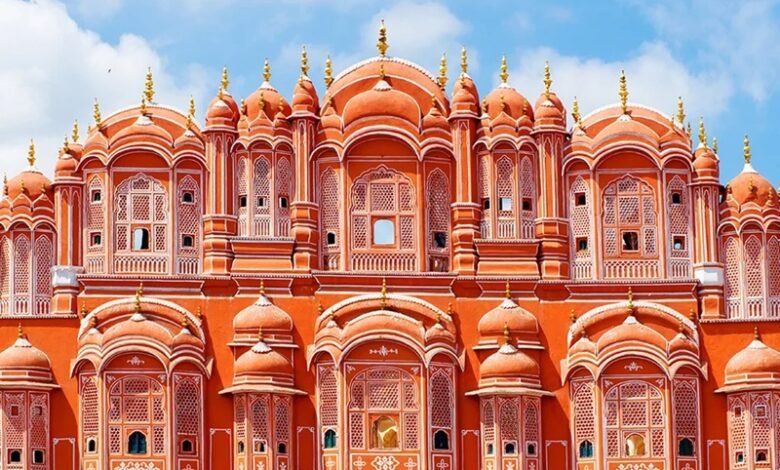
India has consistently constructed with a focus on sustainability. Temples, fortifications, artworks, creations that span centuries, surviving their makers, unwilling to fade from memory. A new development has been emerging throughout the subcontinent. Not only temples or memorials, but also statues, and not subtle ones. Titans.
From Sardar Vallabhbhai Patel in Gujarat to Bhimrao Ambedkar in Maharashtra, India’s recent surge in sculptures appears to focus less on the art form and more on monumental remembrance. The statues are not typical. Soaring hundreds of feet above, the arts have emerged as a beacon of inspiration. The Statue of Unity stands at 597 feet, making it the tallest in the world. The Statue of Belief, a large representation of Shiva, measures 351 feet in Rajasthan. The Statue of Equality, commemorating Ramanuja, rises 216 feet tall close to Hyderabad.
Constructed from bronze, steel, and alloy cores, they are created for durability as well as for prominence.
However, aside from the measurements, what message do these statues convey? India’s sculptural heritage is extensive, affluent, and detailed. From the earliest terracotta figures of the Indus Valley to the Yaksha and Yakshi statues of the Mauryan era, the human figure was never merely a form; it consistently served to transmit messages to future generations. By the time the creators of Ellora and Elephanta carved deities from rock, this concept had already established itself: sculpture transcended art, functioning as a means to mold belief. It instructed, cautioned, motivated, and documented.
The Chola bronzes, particularly the renowned Nataraja, served as more than mere religious symbols; they embodied movement, equilibrium, and cosmic rhythm, concepts captured in metal. The massive Gommateshwara Bahubali statue at Shravanabelagola, sculpted in the 10th century CE, continues to be an awe-inspiring sight, towering over 57 feet high, without any structural support, enduring both monsoons and centuries.
In ancient times, sculptures were positioned within temples or at town intersections. Individuals assembled around them. Revered. Inquired queries. Focused attention.
Currently, attention spans are shorter. A statue is revealed, drones capture it, headlines appear, and then, quiet. The vastness stuns the necessity to ponder. The danger with monumental art is that it appears striking, yet what significance does it truly hold? Will the upcoming generation pause and experience emotions when facing these giants? Or simply stroll by them on your way to another destination? India has consistently etched its principles into rock. The inquiry is, which values are we deciding to shape now, and are we prepared to embrace them?