Kejriwal Invokes Gandhian ‘Satyagraha’ at Rajghat Amid Escalating Excise Policy Row
News Mania Desk/ Piyal Chatterjee/ 28th April 2026

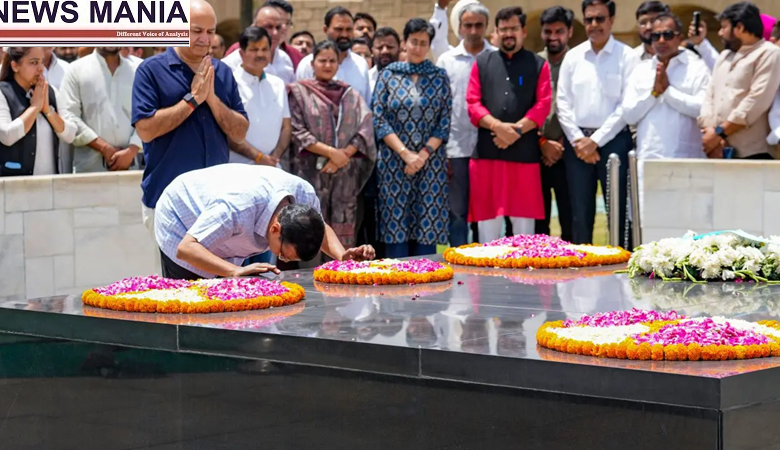
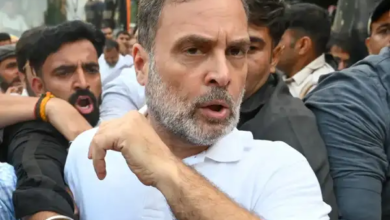
Former Delhi Chief Minister Arvind Kejriwal on Tuesday paid homage to Mahatma Gandhi at Rajghat, invoking the principles of “satyagraha” as he sharpened his stance in the ongoing Delhi excise policy case. The visit carried both symbolic and political weight, with Kejriwal framing his legal battle through the lens of Gandhian ideals of truth and non-violent resistance.
Accompanied by senior leaders of the Aam Aadmi Party, Kejriwal offered floral tributes at the memorial and reiterated that his refusal to participate in court proceedings was a conscious act of protest. He maintained that his decision to neither appear before the court nor engage legal representation stems from his belief that the judicial process in the case has been compromised, raising concerns over fairness and impartiality.
The remarks come amid intensifying friction between the AAP leadership and the judiciary over the handling of the excise policy case. Kejriwal has publicly questioned whether he can expect a fair hearing under the current circumstances, alleging bias in the proceedings. His decision to boycott the court marks a significant departure from conventional legal approaches, positioning his resistance as a moral and political stand rather than a procedural defense.
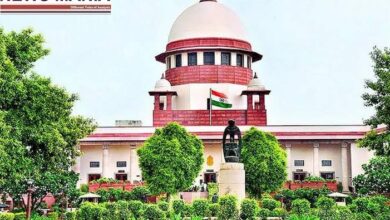
The Delhi High Court has, however, rejected calls for a change of judge, asserting that dissatisfaction alone does not constitute valid grounds for recusal. The court’s observations have further sharpened the confrontation, with legal experts suggesting that Kejriwal’s stance could carry broader implications for both the case and established institutional norms.
By invoking Gandhi at Rajghat, Kejriwal sought to draw parallels between his actions and the freedom movement’s reliance on peaceful resistance. The choice of venue—where the Father of the Nation is memorialised—was intended to reinforce his narrative of standing against perceived injustice through non-violent means.
The excise policy case, which has already sparked considerable political and legal debate, continues to evolve as both sides remain firm in their positions. While judicial proceedings move forward, Kejriwal’s refusal to directly engage adds a new dimension to the dispute, blending legal confrontation with political messaging.
As the situation develops, the episode highlights the complex intersection of law, politics, and public perception, with Kejriwal’s satyagraha-inspired stance likely to remain central to the broader discourse surrounding the case.