
Roomba Creator Unveils AI-Powered Robot Dog Designed for Cuddles and Emotional Bonding
News Mania Desk/ Piyal Chatterjee/ 5th May 2026

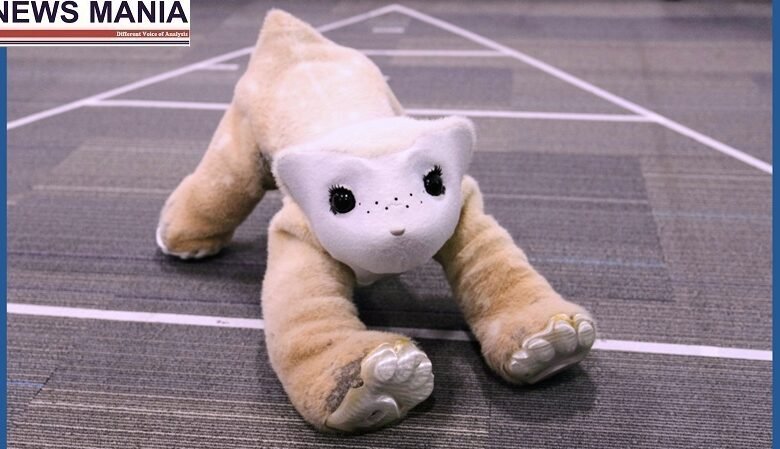
The creator of the popular Roomba vacuum cleaner has stepped into a very different space in robotics, unveiling a new AI-powered robot dog designed not for cleaning homes but for companionship and emotional interaction.
Colin Angle, co-founder of iRobot, has introduced a new venture called Familiar Machines & Magic, which is developing a soft, four-legged robotic pet known as the “Familiar.” Unlike the Roomba, which became widely known for automating household chores, this new creation is aimed at forming emotional bonds with users and acting as a living-like presence inside the home.
The robot is roughly the size of a medium dog and features a plush, animal-like exterior. It does not resemble a specific species but combines features inspired by multiple animals, including expressive eyes, flexible limbs, and a soft body designed for touch-based interaction. According to early demonstrations, the robot can move independently around the home, approach people, and respond through gestures rather than speech.
Developers say the robot is powered by on-device artificial intelligence that allows it to learn from its environment and adapt to human behaviour over time. It uses sensors, cameras, and touch-sensitive surfaces to interpret physical interaction, while its AI system is designed to gradually develop a unique “personality” based on user engagement. The goal is to make the machine feel less like a device and more like a companion.
The robot is also designed to encourage emotional engagement. It can follow users around the house, sit beside them, and respond to attention or neglect in subtle ways. In demonstration clips, it has been shown interacting with children, accompanying users during daily routines, and behaving in ways that mimic pet-like companionship.
Unlike voice-based AI assistants, the robot does not rely on conversation. Instead, it communicates through movement, posture, and sound cues. The company says this approach is intended to create a more natural and intuitive emotional connection, similar to how people bond with pets.
The project reflects a broader shift in robotics, where companies are increasingly exploring emotional AI rather than purely functional machines. Angle and his team suggest that such companion robots could eventually support children, elderly users, and people experiencing loneliness.
However, the product is still in development, and no official release date has been confirmed. Pricing details remain unclear, though early expectations suggest it could be positioned similarly to premium consumer electronics or even the cost of pet ownership.