Iran-US Tensions Escalate Again After Fresh Strait Of Hormuz Clash
News Mania Desk/ Piyal Chatterjee/8th May 2026

Fresh military confrontations between Iran and the United States in the Strait of Hormuz have heightened fears of renewed conflict in the Gulf region, raising concerns over the stability of a fragile ceasefire that had temporarily reduced tensions after weeks of hostilities involving Iran, the US and Israel.
According to American officials, Iranian forces launched missiles and drones targeting three US Navy warships operating in the strategic Strait of Hormuz. The US military claimed its naval defence systems intercepted the attacks before major damage could occur. Washington described the incident as an “unprovoked assault” and responded with retaliatory strikes on Iranian military installations believed to be connected to the operation.
Iranian state media later acknowledged clashes involving foreign forces near Qeshm Island, located close to the Strait of Hormuz, though Tehran did not release detailed information regarding casualties or the extent of the confrontation. Iranian authorities accused the United States of escalating tensions in the region through continued military presence and aggressive actions near its territorial waters.
The latest exchange has increased uncertainty surrounding the ceasefire that was brokered after a period of intense regional conflict earlier this year. Although US President Donald Trump stated that the ceasefire technically remains in effect, military activity across the Gulf has continued to create fears of a broader regional war.
The United Arab Emirates also reported fresh security threats linked to the ongoing tensions. UAE authorities said air defence systems intercepted several missiles and drones launched from Iran. Officials confirmed that some people sustained injuries during the attacks, while emergency security measures were activated in different parts of the country. The incident marked one of the most serious direct security threats faced by Gulf nations in recent months.
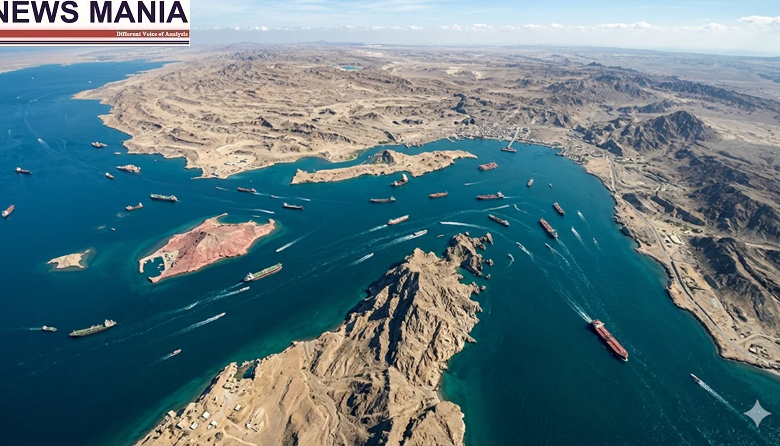
The Strait of Hormuz has once again become the focal point of the crisis. The narrow maritime route is considered one of the world’s most important energy corridors, carrying a significant share of global oil exports. Rising tensions in the area have disrupted shipping movement and increased concerns in global energy markets. Reports indicate that several commercial vessels remain stranded or delayed due to heightened security checks and restrictions imposed in the region.
Iran has also introduced tighter monitoring measures for ships moving through the Strait of Hormuz. Western countries and shipping organisations have criticised the move, arguing that restrictions on maritime traffic could further destabilise global trade and energy supply chains. Tehran, however, defended the measures as necessary to protect national security amid continuing military threats.
Diplomatic efforts to prevent a wider conflict are continuing simultaneously. Reports suggest backchannel discussions are underway between Washington and Tehran regarding a temporary framework aimed at reducing military activity and restoring safer maritime movement in the Gulf. Pakistan is believed to be playing a role in mediation efforts, while China and several European nations have urged restraint from all sides.
The conflict traces back to joint military operations carried out earlier this year by the United States and Israel against Iranian targets, an escalation that significantly increased instability across the Middle East. Since then, repeated confrontations, missile exchanges and threats against shipping routes have continued to impact oil prices and international financial markets.