Destroyed Pak air bases in minutes, this is strength of new India: PM
News Mania Desk / Piyal Chatterjee / 30th May 2025

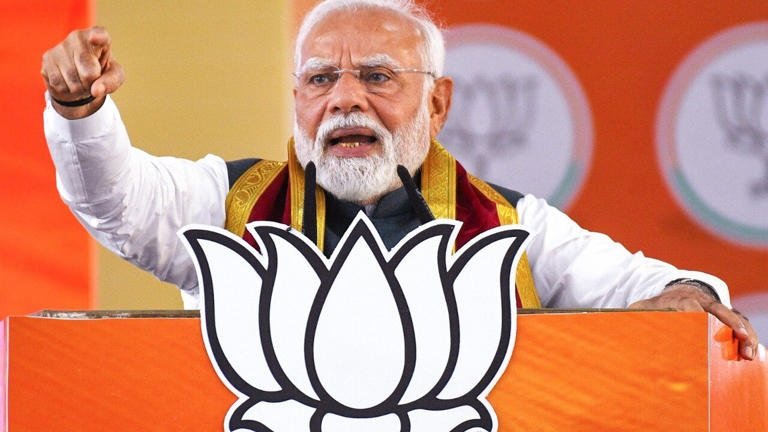
Prime Minister Narendra Modi stated on Friday at a rally in Bihar that Indian forces quickly destroyed air bases in Pakistan during Operation Sindoor, showcasing the power of a new India.
In his earlier speech in Bihar, the Prime Minister mentioned his vow to seek retribution for the fatalities in the Pahalgam terrorist attack, and today, while in the state, he declared he had honored that commitment by “turning terrorist headquarters into rubble.”
“The Pakistan Army, under whose protection terrorists used to infiltrate, was brought to its knees by our forces in one swift move. Within minutes, several airbases and terrorist hideouts in Pakistan were destroyed. This is the new India, and this is the strength of the new India,” he asserted in Bihar’s Karakat.
Two days after the Pahalgam terrorist attacks, the Prime Minister vowed “punishment beyond imagination” for every terrorist involved in the killing of 26 innocent civilians.
“I came to Bihar two days after the Pahalgam incident and promised the country from the soil of Bihar that the terrorist hideouts would be razed to the ground. I had said they would be given punishment beyond imagination. Now that I have returned to Bihar, I have fulfilled my promise. Those who destroyed the sindoor of our sisters while sitting in Pakistan, our army has turned those terrorist hideouts into ruins. Pakistan and the world have witnessed the power of sindoor,” PM Modi added.
The Prime Minister further reaffirmed that Operation Sindoor is ongoing and will continue to strike against terrorism whenever it attempts to resurface.
“The enemies have witnessed India’s strength in Operation Sindoor. They must understand that our quiver holds only one arrow: terrorism. The fight against terrorism has neither paused nor ended. If terrorism rises again, India will crush it once more,” he said.