
Beyond Promises: The Political Will Needed to Phase Out Fossil Fuels
Ms.Bornali Biswas-Editor in Chief / 17th June 2026

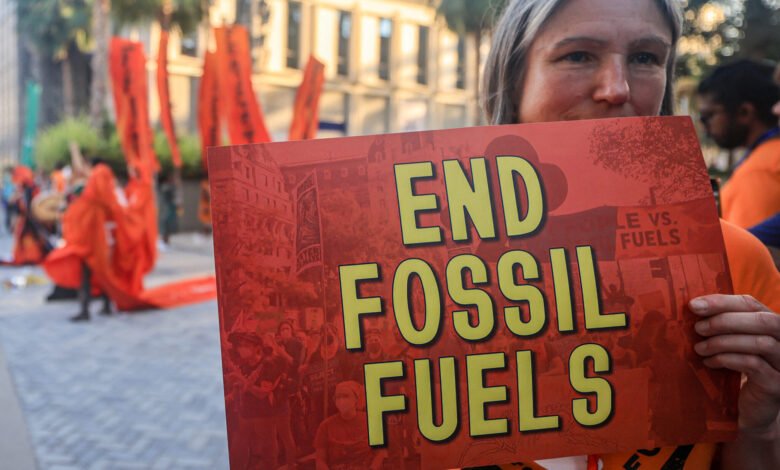
The fight against climate change has become one of the defining challenges of the 21st century. Over the past decade, global climate summits—from the Paris Climate Agreement to successive United Nations Climate Change Conferences (COPs)—have produced ambitious commitments to reduce greenhouse gas emissions and accelerate the transition to clean energy. Yet despite these pledges, fossil fuels continue to dominate the global energy mix, exposing a significant gap between climate promises and political action.
The scientific consensus is unequivocal. According to the Intergovernmental Panel on Climate Change (IPCC), limiting global warming to 1.5°C above pre-industrial levels requires rapid and substantial reductions in fossil fuel consumption. At the same time, the International Energy Agency (IEA) has repeatedly emphasized that achieving net-zero emissions by mid-century will require a dramatic decline in new investments in coal, oil, and gas projects.
However, political realities often complicate climate ambitions. Many governments remain heavily dependent on fossil fuels for economic growth, energy security, employment, and public revenue. Major oil and gas producing nations face the difficult task of balancing environmental responsibilities with domestic economic interests. Even countries that publicly champion climate action continue to approve new fossil fuel projects, reflecting the tensions between long-term sustainability and short-term political pressures.
The challenge is particularly acute in developing economies. Nations such as India, Indonesia, and several African countries argue that energy access and poverty reduction remain urgent priorities. Their position is supported by the principle of “common but differentiated responsibilities” embedded in international climate negotiations. Developed countries, which historically contributed the majority of greenhouse gas emissions, are expected to provide financial and technological support to help emerging economies transition toward cleaner energy systems.
Climate summits have highlighted the importance of renewable energy, green hydrogen, electric mobility, and sustainable infrastructure. Yet progress remains uneven. Financing commitments often fall short of promises, and the transition to clean energy is frequently slowed by regulatory hurdles, political opposition, and inadequate investment in grid modernization.
Political will is ultimately the decisive factor. Climate goals cannot be achieved through declarations alone. Governments must implement policies that encourage renewable energy adoption, phase out inefficient fossil fuel subsidies, invest in climate-resilient infrastructure, and support workers and communities affected by the energy transition. Equally important is international cooperation, as climate change is a global challenge that transcends national borders.
The world has reached a critical juncture. Climate summits have established the roadmap, and science has provided the warning. What remains uncertain is whether political leaders possess the courage to prioritize long-term planetary sustainability over short-term political convenience. The future of global climate action will depend not on the promises made at international conferences, but on the determination of governments to transform those promises into measurable action.