Doctors Warn Chronic Illnesses May Heighten Risk of Severe Dengue Complications
News Mania Desk/ Piyal Chatterjee/ 15th June 2026

Health experts have cautioned that individuals living with chronic conditions such as diabetes, hypertension and obesity may face a greater risk of developing severe complications if infected with dengue. The warning comes amid renewed concerns over the growing burden of dengue cases and the increasing overlap between infectious diseases and non-communicable health disorders.
According to medical professionals, pre-existing conditions can significantly influence how the body responds to dengue infection. Patients with diabetes often experience impaired immune function, making it more difficult to fight viral illnesses effectively. The disease may also affect the integrity of blood vessels, potentially increasing susceptibility to complications associated with severe dengue.
Doctors noted that hypertension and obesity can further complicate recovery. Obesity, in particular, is linked to chronic inflammation within the body, which may intensify the immune response triggered by the dengue virus. This exaggerated response can contribute to serious outcomes, including fluid leakage from blood vessels, internal bleeding and, in some cases, organ dysfunction.
Medical experts explained that people with uncontrolled chronic illnesses may struggle to maintain stable physiological functions during an acute infection. As a result, the likelihood of requiring hospitalisation or intensive medical care may increase among vulnerable groups.
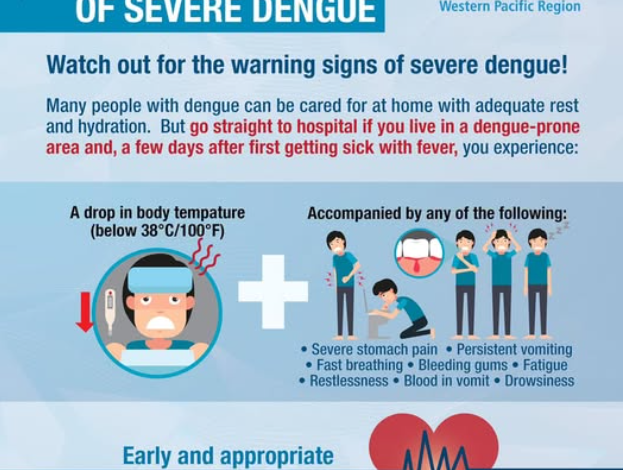
The advisory coincides with efforts to raise awareness about dengue prevention and early detection. Physicians have urged individuals with underlying health conditions to seek prompt medical attention if they develop symptoms such as high fever, severe abdominal pain, persistent vomiting, unusual bleeding, extreme fatigue or breathing difficulties.
Healthcare professionals also emphasised the importance of managing chronic diseases through regular check-ups, adherence to prescribed treatments and healthier lifestyle choices. Maintaining blood sugar levels, monitoring blood pressure and addressing obesity through balanced nutrition and physical activity could help reduce the risk of adverse outcomes.