
Britain to Ban Social Media Access for Under-16s in Major Online Safety Push
News Mania Desk/ Piyal Chatterjee/15th June 2026

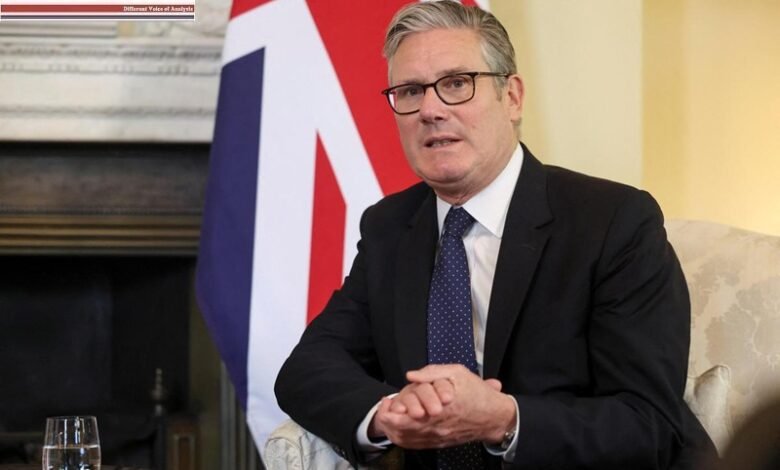
The United Kingdom is preparing to introduce sweeping restrictions on children’s access to social media, with Prime Minister Keir Starmer announcing plans to prohibit individuals under the age of 16 from using major online platforms. The proposed legislation represents one of the most ambitious attempts by a government to address growing concerns over the impact of digital spaces on young people.
Under the new measures, social media companies will be required to implement robust age-verification systems to prevent children below the specified age threshold from creating or maintaining accounts. The restrictions are expected to apply to widely used platforms such as Instagram, TikTok, Snapchat, Facebook, YouTube and X.
The British government said the move was prompted by increasing evidence linking excessive social media use to mental health challenges among adolescents, including anxiety, depression and exposure to harmful or inappropriate content. Officials have also cited concerns about cyberbullying, online exploitation and addictive platform features that may negatively affect children’s well-being.
Prime Minister Starmer argued that safeguarding children in the digital age demands stronger regulatory intervention. He maintained that the proposed ban was designed to provide young people with greater protection while encouraging healthier engagement with technology. The initiative follows consultations with families, educators and child welfare advocates, many of whom have called for stricter oversight of online platforms.
In addition to age restrictions, authorities are reportedly exploring further safeguards, including tighter controls on direct messaging, limitations on contact from unknown users and enhanced monitoring of content recommended to minors. Some proposals concerning screen-time management and digital curfews remain under consideration.
However, the announcement has sparked debate among technology firms and policy experts. Critics have questioned the practicality of enforcing such restrictions and warned that outright bans could drive teenagers towards less regulated corners of the internet. Despite these concerns, the policy marks a significant shift in Britain’s approach to child protection online and could influence similar discussions in countries seeking to balance technological innovation with the safety and welfare of young users.