G7 Leaders Back Iran Deal, Call for Immediate Ceasefire in Lebanon
News Mania Desk/ Piyal Chatterjee/17th June 2026

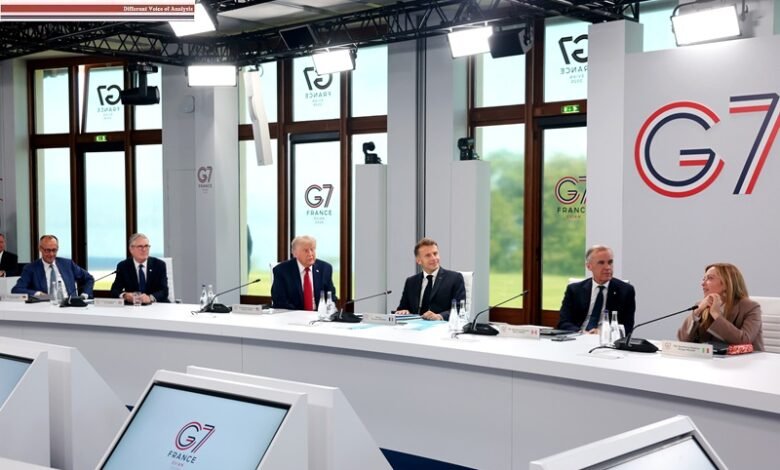
Leaders of the Group of Seven (G7) nations have endorsed a preliminary agreement between the United States and Iran aimed at easing tensions in the Middle East, while simultaneously calling for an immediate ceasefire in Lebanon to prevent further escalation of regional conflict.
The joint position emerged during discussions at the G7 Summit, where world leaders expressed support for diplomatic efforts to restore stability following months of heightened tensions involving Iran and its regional allies. The leaders described the U.S.-Iran agreement as an important step toward reducing the risk of a broader conflict and creating conditions for long-term negotiations.
In a joint statement, the G7 urged all parties in Lebanon to support an immediate and durable ceasefire. The leaders also reiterated calls for the disarmament of Hezbollah, arguing that reducing the influence of armed non-state actors is essential for ensuring lasting peace and security in the region.
U.S. President Donald Trump defended the agreement with Iran, saying it offers an opportunity to de-escalate hostilities and pursue a diplomatic solution. However, he also warned that military options remain available should Tehran fail to honour its commitments under the arrangement. The agreement reportedly extends an existing ceasefire framework and provides additional time for negotiations on unresolved issues.
Despite welcoming the breakthrough, G7 leaders acknowledged that several complex matters remain unsettled. These include concerns surrounding Iran’s nuclear programme, the future of its enriched uranium stockpile, and Tehran’s influence through allied groups operating across the Middle East.
The summit also focused on the impact of regional instability on global energy markets. Leaders discussed measures to strengthen energy security and reduce dependence on vulnerable supply routes, particularly the Strait of Hormuz, a critical passage for global oil shipments. Officials said efforts would be made to diversify supply chains and bolster strategic energy reserves. Financial markets reacted positively to signs of easing tensions, with oil prices declining amid expectations that energy exports through key maritime routes could normalize.
The Middle East crisis remained a central topic at the summit, underscoring the international community’s efforts to balance diplomacy, security concerns and economic stability in a volatile region.