
Hantavirus Outbreak Linked to Argentina Cruise Ship Triggers Global Health Concern
News Mania Desk/ Piyal Chatterjee/7th May 2026

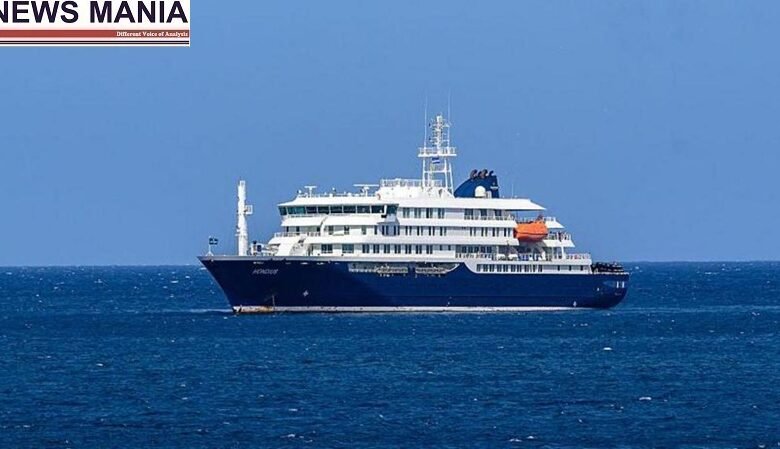
Health authorities across several countries are closely monitoring a rare hantavirus outbreak linked to a cruise ship that began its journey in Argentina, after multiple deaths and infections raised fears over the spread of the disease.
The outbreak is connected to the expedition vessel MV Hondius, which departed from Ushuaia in southern Argentina before travelling toward Antarctica and later crossing the Atlantic Ocean. Officials confirmed that at least three passengers died after developing symptoms associated with hantavirus infection, while several others tested positive or required medical observation during the voyage.
International health agencies, including the World Health Organization, are now tracking the situation due to concerns surrounding the unusual nature of the outbreak and the possibility of limited human-to-human transmission. Medical experts suspect the infections may involve the Andes strain of hantavirus, a rare variant primarily found in parts of Argentina and Chile. Unlike most forms of the virus, which spread through exposure to infected rodent urine, saliva or droppings, the Andes strain has previously shown evidence of limited transmission between humans.
The outbreak reportedly unfolded over several weeks during the cruise. According to reports, an elderly Dutch passenger first became seriously ill while the ship was at sea and later died. His wife, who was evacuated to South Africa for emergency treatment, also succumbed to the illness. A third passenger, identified as a German national, later died after developing severe complications linked to the infection.
As concerns grew, passengers and crew members aboard the ship were placed under medical surveillance. Authorities reportedly instructed travellers to remain isolated inside their cabins while healthcare teams wearing protective equipment boarded the vessel to conduct tests and assess the health condition of passengers. The ship was eventually anchored near Cape Verde while international agencies coordinated the response.
Investigators are now attempting to determine where the original infection occurred. One leading theory suggests that some passengers may have contracted the virus during outdoor travel or excursions in southern Argentina before boarding the cruise ship. Argentine authorities have launched rodent surveillance operations and extensive contact-tracing efforts in regions visited by the travellers.
Health experts said hantavirus infections have been increasing in Argentina over the past year. Scientists believe environmental changes linked to climate conditions may be contributing to the rise in cases by expanding rodent populations that carry the virus. Warmer temperatures and higher rainfall levels are believed to have created more favourable conditions for the spread of infected rodents in certain areas.
Doctors warned that hantavirus symptoms can initially resemble influenza, making early diagnosis difficult. Patients often experience fever, body pain, fatigue and headaches before rapidly developing serious respiratory complications. In severe cases, the illness can progress quickly and become fatal within a short period. Although the World Health Organization has assessed the broader global risk as relatively low, the outbreak continues to attract international attention because of the confined cruise ship setting and the possibility of person-to-person transmission associated with the Andes strain.