Iran Reportedly Used Psychologists to Prepare for Trump Negotiations
News Mania Desk/ Piyal Chatterjee/17th June 2026

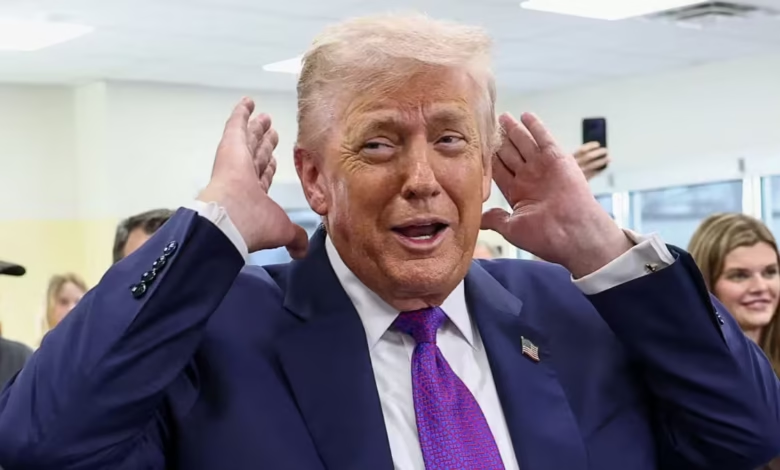
Iran reportedly turned to a team of senior psychologists and psychiatrists to help its negotiators better understand U.S. President Donald Trump’s personality and approach to diplomacy during recent high-stakes talks between the two countries, according to a media report.
The report, based on claims originally published by Drop Site News, said Iranian officials sought behavioural insights following an initial round of indirect negotiations earlier this year. The specialists were tasked with analysing Trump’s decision-making style, communication patterns and negotiation tactics to help Iranian representatives navigate discussions more effectively.
According to the report, the experts examined what they believed to be the President’s psychological traits, identifying possible triggers and strategies that could influence the outcome of sensitive diplomatic engagements. Their findings were reportedly shared with members of Iran’s negotiating team as discussions progressed.
The unusual move has drawn international attention, highlighting the increasingly sophisticated methods countries may employ in modern diplomacy. While intelligence agencies have long relied on psychological profiling to assess foreign leaders, the direct involvement of mental health experts in shaping negotiation strategies is less commonly acknowledged publicly.
The reported consultations took place against the backdrop of efforts by Washington and Tehran to address longstanding disputes involving Iran’s nuclear programme, regional security concerns and economic sanctions. Diplomatic channels between the two countries have remained active despite years of strained relations and mutual distrust.
Neither U.S. nor Iranian officials have formally confirmed the details outlined in the report. However, the revelation has sparked debate over the role of behavioural science in international relations and whether understanding the personalities of world leaders can provide a strategic advantage during critical negotiations.