Strait of Hormuz Shipping Expected to Recover After Possible US-Iran Peace Agreement
News Mania Desk/ Piyal Chatterjee/25th May 2026

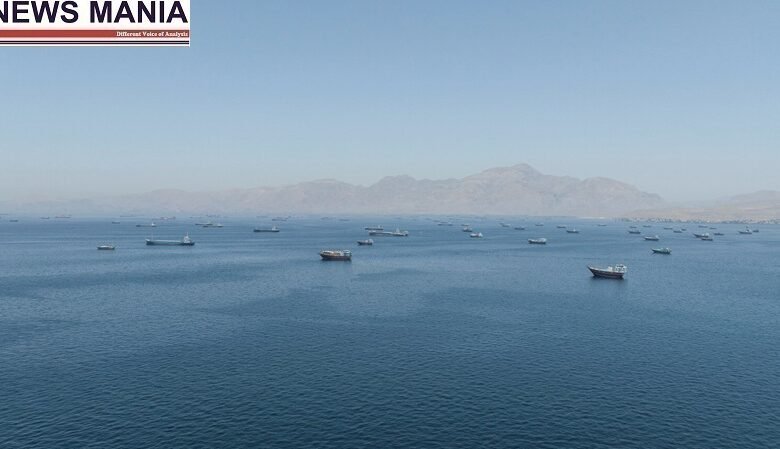
Shipping activity through the Strait of Hormuz may return to normal levels within a month if ongoing peace negotiations between the United States and Iran lead to a formal agreement, according to reports citing diplomatic and Iranian sources.
The Strait of Hormuz, one of the world’s most strategically important maritime routes, has witnessed severe disruption in recent months due to escalating tensions and conflict in the Gulf region. The instability affected global shipping operations and raised concerns over energy supplies, as a large share of the world’s oil and liquefied natural gas exports passes through the narrow waterway.
Reports indicate that discussions between Washington and Tehran have shown signs of progress, increasing hopes of a possible reduction in hostilities. Iranian officials reportedly suggested that commercial shipping through the strait could gradually resume at pre-conflict levels within 30 days after the implementation of a peace arrangement.
The conflict in the region had forced several international shipping companies to either suspend operations or significantly reduce movement through the Strait of Hormuz because of security risks. Concerns over naval confrontations, missile threats, and the presence of mines in nearby waters contributed to growing uncertainty among global trade operators and insurers.
Experts believe that restoring normal maritime operations would require coordinated efforts involving naval security, clearance operations, and confidence-building measures for shipping firms. International agencies and regional powers are expected to play a role in ensuring the safety of commercial vessels travelling through the route.
The Strait of Hormuz remains a critical artery for global trade, particularly for oil-exporting nations in the Middle East. Any disruption in the region directly impacts international fuel prices and energy markets. The recent conflict led to sharp increases in crude oil prices and triggered fears of supply shortages in several countries dependent on Gulf exports.
Global financial markets responded positively to reports of possible progress in US-Iran negotiations. Oil prices declined after indications emerged that a ceasefire or broader understanding could ease tensions and restore shipping access in the Gulf. Investors viewed the development as a potential stabilising factor for international trade and inflation-hit economies. Despite the optimism, major issues remain unresolved in the negotiations, including sanctions, regional security concerns, and Iran’s strategic interests in the Strait of Hormuz.