UAE’s Exit from OPEC Signals Shift in Global Oil Order, May Benefit India
News Mania Desk/ Piyal Chatterjee/29th April 2026

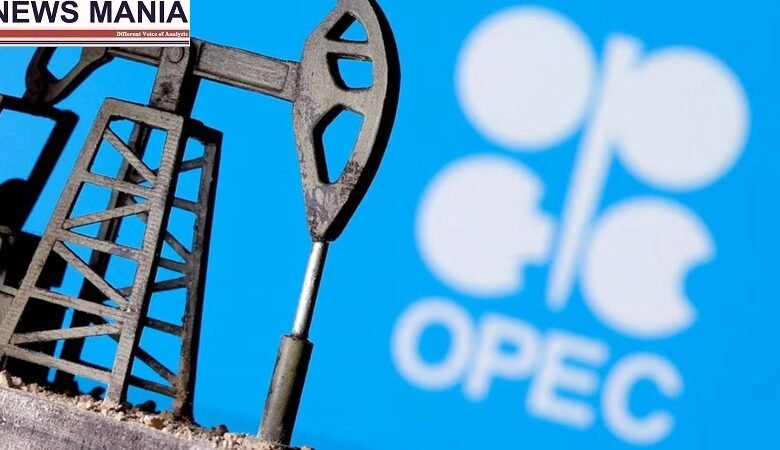
The United Arab Emirates’ decision to withdraw from the Organization of the Petroleum Exporting Countries is poised to reshape the global oil market, potentially weakening the influence of the cartel while opening new opportunities for major importers like India.
The UAE, a key oil producer within OPEC, is set to formally exit the grouping from May 1, choosing to prioritise its national production strategy over collective output agreements. By stepping away from OPEC’s quota system, the country gains greater flexibility to increase oil production in line with its economic goals and market conditions.
This move is expected to have broader implications for global oil supply and pricing. Analysts believe that the departure of a significant producer like the UAE could dilute OPEC’s ability to control output and stabilise crude prices. Over time, this may lead to increased competition among oil-producing nations and a more fragmented energy market.
The development comes at a time of heightened geopolitical tensions in West Asia, particularly around critical oil transit routes such as the Strait of Hormuz. These uncertainties have already contributed to fluctuations in global crude prices, and the UAE’s decision adds another dimension to the evolving energy scenario.
For India, one of the UAE’s largest crude oil importers, the shift could prove beneficial. With the UAE no longer bound by OPEC restrictions, there is greater scope for direct bilateral negotiations on oil supply and pricing. This could enable Indian refiners to secure more competitive deals and ensure stable energy supplies.
Additionally, higher production levels from the UAE may contribute to an overall increase in global oil supply, which could help moderate prices in the long run. Lower crude prices would ease inflationary pressures in India, where fuel costs play a crucial role in the broader economy.
While the immediate impact of the UAE’s exit may be limited, experts view it as part of a larger transformation in the global oil order. As countries increasingly prioritise national interests over collective agreements, traditional institutions like OPEC may face challenges in maintaining their dominance in the energy sector.