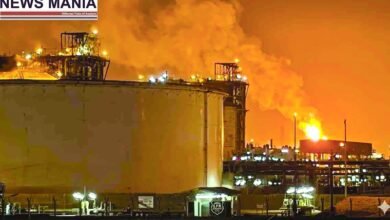
Iran Reimposes Closure of Strait of Hormuz Amid Escalating Standoff with United States
News Mania Desk/ Piyal Chatterjee/18th April 2026

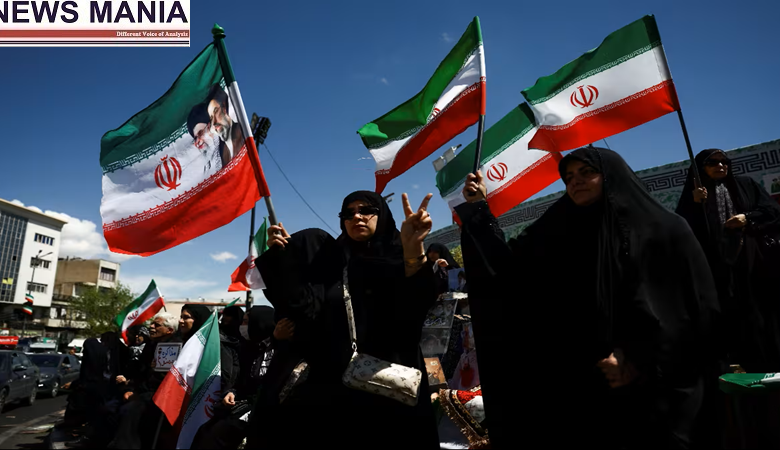
Iran has once again shut down the Strait of Hormuz, one of the world’s most critical maritime chokepoints, intensifying its confrontation with the United States over an ongoing naval blockade of Iranian ports. The decision reverses a brief reopening of the vital waterway and signals a sharp escalation in tensions across the already volatile West Asian region.
Iranian authorities announced that the strait has been restored to what they described as a “controlled operational status” under military oversight. Officials in Tehran justified the move by accusing Washington of failing to ease restrictions on Iranian shipping, despite earlier expectations of de-escalation. The renewed closure effectively halts or severely restricts commercial shipping traffic through the narrow passage connecting the Persian Gulf to global markets.
The immediate impact on maritime activity has been significant. Several oil tankers and cargo vessels reportedly altered course or retreated after receiving warnings from Iranian naval forces. There have also been reports of vessels encountering hostile signals, including warning shots, as they attempted to navigate the strait. Shipping companies and insurers are now reassessing risk levels, with many operators opting to delay transit until the situation stabilises.
The Strait of Hormuz holds immense strategic importance, serving as a key route for a substantial portion of the world’s oil and liquefied natural gas exports. Any disruption in its functioning has direct implications for global energy markets. Analysts warn that the latest shutdown could lead to increased oil price volatility and potential supply constraints, particularly affecting energy-importing nations.
This latest development follows a short-lived reopening of the strait during a fragile pause in hostilities. During that period, limited vessel movement was permitted under strict monitoring. However, Iranian officials had made it clear that continued access would depend on the lifting of what they term an “illegal blockade” imposed by the United States. With no such relief forthcoming, Tehran has now reinstated full restrictions.
The United States has defended its actions, stating that the naval measures are part of broader strategic efforts tied to ongoing geopolitical tensions and negotiations involving Iran. Washington maintains that its approach is necessary to counter perceived threats and to exert pressure in wider diplomatic engagements. The disagreement has further deepened mistrust between the two countries, with both sides accusing each other of violating understandings reached during recent negotiations.
The renewed closure has triggered global concern, with governments and international organisations closely monitoring developments. Energy markets have reacted cautiously, while diplomatic channels are being actively explored to prevent further escalation. Regional mediators are reportedly working to revive dialogue, though prospects for an immediate breakthrough remain uncertain.
Experts caution that a prolonged shutdown of the Strait of Hormuz could have far-reaching consequences, not only for global energy security but also for international trade flows. The situation underscores the vulnerability of critical maritime routes to geopolitical conflicts and highlights the broader risks associated with escalating tensions in the region.