OpenAI Introduces Free AI Image Verification Tool to Combat Deepfakes
News Mania Desks/ Piyal Chatterjee/ 25th May 2026

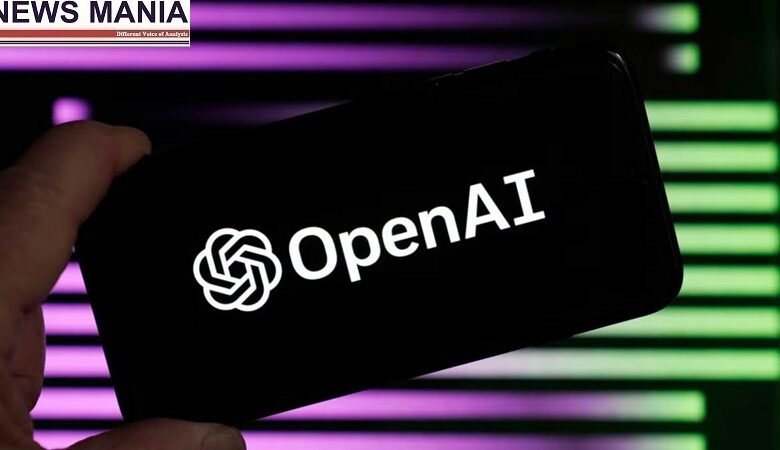
OpenAI has launched a free AI image verification tool aimed at helping users identify whether images were created using artificial intelligence, amid growing global concerns over deepfakes and online misinformation.
The newly introduced platform allows users to upload images and check if they were generated through OpenAI’s AI systems, including ChatGPT and related image-generation services. The company said the initiative is part of wider efforts to improve transparency in AI-generated content and reduce the spread of manipulated visuals across digital platforms.
The verification system works by detecting special identifiers embedded within AI-generated images. According to reports, the tool scans for C2PA metadata and invisible SynthID watermarks developed in partnership with Google DeepMind . These technologies are designed to trace the origin of digital content and help determine whether an image has been produced or altered using AI tools.
C2PA, an industry-backed authentication standard, stores information regarding how an image was created and modified. SynthID watermarking, meanwhile, is designed to remain detectable even if the image is edited, compressed, or reshared online. OpenAI believes the combination of both systems can strengthen digital authenticity checks and improve trust in online content.
Currently, the tool is capable of verifying images created through OpenAI’s ecosystem but does not yet support detection for visuals generated by other AI platforms. The company, however, indicated that future updates may expand compatibility to include additional AI systems and different forms of media.
The launch comes at a time when concerns over deepfake technology continue to rise globally. AI-generated images have increasingly been linked to misinformation campaigns, identity fraud, scams, and manipulated political content. Experts have warned that improving AI image quality is making it harder for users to distinguish between authentic and fabricated visuals online.